
The Science Behind Catchy Songs
Uncover the psychology and science behind why certain songs get stuck in our heads and what makes music irresistibly catchy.
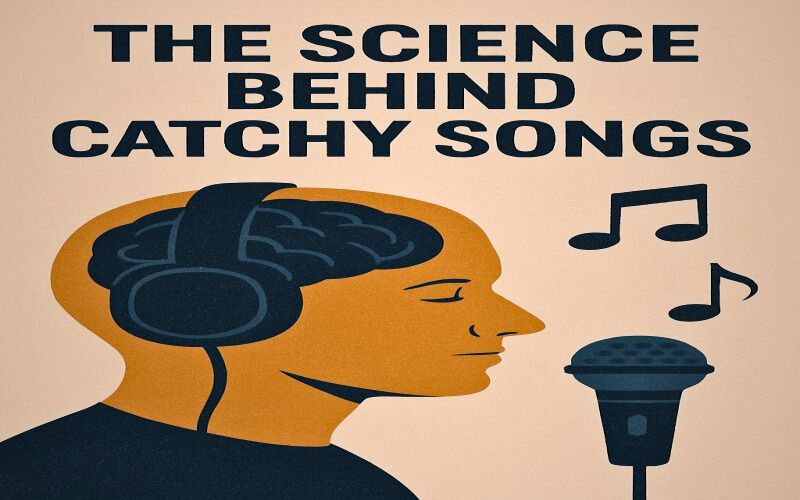
Why is it that some songs get stuck in our heads after just one listen, while others fade into the background? From pop anthems to advertising jingles, certain tunes have an uncanny ability to linger in our minds, sometimes for days. This phenomenon is not just a matter of taste — there’s real science behind why some songs are irresistibly catchy. Let’s break it down, note by note.
- The Earworm Effect
- Repetition, Repetition, Repetition
- The Role of Rhythm and Tempo
- The Power of the Hook
- Lyrics That Stick
- Emotional Resonance
- Cultural and Social Factors
- The Role of Surprise
- Advertisers and Composers Know the Secret
- Can We Control Earworms?
- Listen to it all the way through. This can provide closure and stop your brain from “looping” the incomplete melody.
- Distract yourself with a mentally engaging task, like solving a puzzle or reading.
- Switch to a different song, preferably one that’s less likely to stick (ironically, this can backfire if you pick another catchy tune).
Final Note
The science behind catchy songs blends psychology, neuroscience, and cultural influence. Our brains are naturally tuned to enjoy repetition, emotional resonance, and memorable patterns. When melody, rhythm, and emotion align perfectly, the result is a song that lodges itself in our minds — sometimes delightfully, sometimes annoyingly. So the next time you find yourself humming a tune you heard just once, remember: it’s not just you being “stuck” — it’s your brain doing exactly what it’s wired to do. Music, in many ways, is the ultimate brain hack.


Comments
Leave a comment Replying to
Comments are reviewed before they appear. Your email is never published.