
Reality Dating Shows Love, Drama, and the Age of Authenticity
Explore how reality dating shows blend love, drama, and the search for authenticity, captivating audiences worldwide.
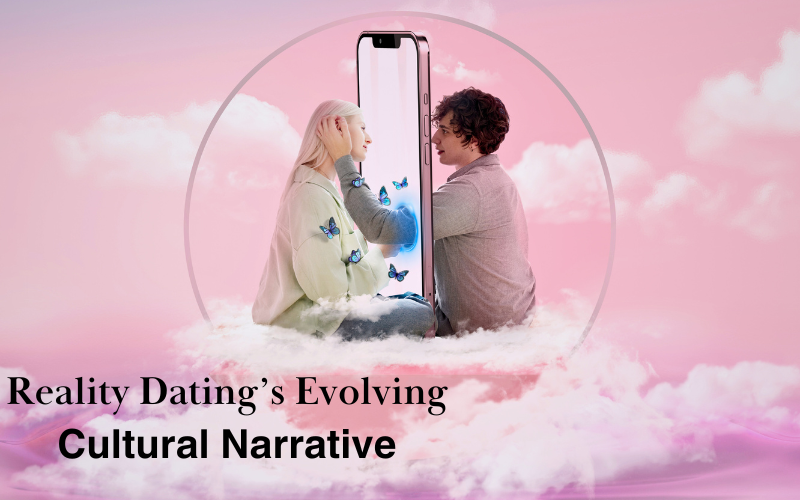
Reality dating shows have long been a staple of modern entertainment. From the awkward charm of The Bachelor to the wild antics of Love Island and the futuristic twists of Too Hot to Handle, the genre has consistently drawn massive global audiences. But as society evolves, so do the cultural undercurrents that shape what we consume on screen. Over the past two decades, reality dating shows have undergone a significant transformation—from superficial spectacles to complex reflections of identity, diversity, and emotional nuance.
This blog explores the major cultural shifts that have redefined the landscape of reality dating shows, making them not just entertainment, but powerful mirrors of societal change.
A Brief History of Reality Dating Shows
Before diving into the shift, let’s rewind. The early 2000s gave us the first wave of mainstream dating shows. Series like:- “The Bachelor” (2002) – One-man, multiple women, roses, and dramatic exits.
- “Flavor of Love” (2006) – Celebrity-based chaos with questionable matchmaking.
- “Date My Mom” and “Parental Control” – MTV-fueled teenage romance via quirky formats.
The Influence of Social Media and Digital Dating
The rise of Tinder, Bumble, and other dating apps transformed how people interact romantically. Suddenly, the dating world became fast-paced, appearance-driven, and saturated with choice. Reality dating shows had to adapt. Enter shows like:- “Love is Blind” (2020): Where couples connect emotionally before seeing each other.
- “The Circle”: A game of social strategy and catfishing.
- “Dating Around”: Realistic, awkward, and refreshingly unscripted.
The Rise of Emotional Authenticity
One of the most noticeable shifts is the move toward emotional depth. Older shows thrived on caricatures and conflict. Today, audiences crave relatability and realism. Reality dating shows are increasingly highlighting:- Open conversations about mental health
- Discussions around past trauma
- Honest portrayals of insecurities
- Emotional vulnerability over macho confidence
Case in Point:
- The Ultimatum: Queer Love allowed for raw, difficult conversations around commitment, queerness, and emotional baggage.
- Love on the Spectrum celebrated neurodiverse individuals navigating romance with tenderness and sincerity.
Representation and Inclusivity
In the early 2000s, reality dating shows largely featured heterosexual, cisgender, able-bodied white participants. This lack of representation excluded vast swaths of society and perpetuated narrow beauty standards. In recent years, there's been an intentional push for inclusivity:- Shows like “Are You the One?” (Season 8) featured a sexually fluid cast.
- “The Ultimatum: Queer Love” broke ground with an all-queer lineup.
- “Indian Matchmaking” explored cultural traditions, pressures, and caste dynamics.
- “Jewish Matchmaking” followed suit by showcasing diverse expressions of faith and dating norms.
Viewers Are Smarter (and More Critical)
Today’s audiences are digitally savvy and socially conscious. Viewers now:- Fact-check contestants’ pasts
- Analyze manipulation in editing
- Demand accountability for toxic behavior
- Support reality stars through social media platforms
- Aftershows that offer clarity or redemption arcs
- Greater transparency around mental health support
- Inclusion of trigger warnings and debriefs after sensitive topics
The Impact of Technology and AI
With the rise of AI matchmakers, virtual dating, and hologram companions, modern dating itself is changing. Shows like The One That Got Away (Amazon Prime) explore how time, technology, and alternate timelines affect relationships. New formats reflect:- Tech-induced disconnection
- Online misrepresentation
- The challenge of building intimacy in a digital world
Cultural Conversations Sparked by These Shows
Modern reality dating shows have become catalysts for deeper cultural discussions. They touch on:- Gender roles: Challenging the alpha male trope, empowering women to lead or propose.
- Body positivity: Casting contestants with diverse body types.
- Consent: Explicit conversations around physical boundaries and emotional readiness.
- Cultural clashes: Exploring diasporic identities and interracial relationships.
What’s Losing Popularity?
Certain outdated tropes are being phased out, such as:- Overly scripted conflict: Audiences now spot fake drama instantly.
- Hyper-sexualization: Viewers prefer meaningful interactions over cheap thrills.
- Stereotypical casting: Predictable “villain” or “player” characters are less engaging.
Reality Stars as Cultural Influencers
Reality show contestants are no longer just participants—they often become influencers, activists, and authors. Their platforms allow them to:- Speak on social issues
- Share behind-the-scenes truths
- Create independent content (podcasts, YouTube, TikTok)
The Globalization of Love
International dating shows have added fresh perspectives and storytelling styles:- “Single’s Inferno” (South Korea) – A unique blend of restraint, beauty standards, and emotional growth.
- “Love Village” (Japan) – Featuring middle-aged and senior participants seeking companionship and closure.
- “Back in the Groove” (USA) – Featuring older women dating younger men, challenging age norms.
The Future of Reality Dating Shows
As culture evolves, so will the formats and themes of reality dating shows. Here’s what we may see next:- Virtual Reality Dating Shows
- Neuroscience-Based Matchmaking
- Slow Dating Themes
- Social Experiment Hybrids
Why It Matters
At first glance, reality dating shows may seem like trivial entertainment. But they play a significant role in:- Normalizing emotional expression
- Shaping young people’s views on love
- Highlighting relationship struggles
- Representing different communities
- Encouraging self-reflection and growth
Final Thoughts: More Than Just Roses and Drama
The cultural shift dating shows reflects our collective evolution. From superficial courtship rituals to vulnerable conversations and inclusive casts, the genre has grown. Today, it serves not only to entertain but to educate, challenge, and heal. As we continue to question what love should look like, reality dating shows will remain fascinating—and surprisingly profound—lens through which we examine our relationships, identities, and desires. So, the next time you're binging Love is Blind or Indian Matchmaking, remember you're not just watching people fall in love. You're witnessing culture in motion.
Comments
Leave a comment Replying to
Comments are reviewed before they appear. Your email is never published.